How to Assess the Longevity of a Ceramic Coating Before Committing in Ceramic Coating Temple Terrace
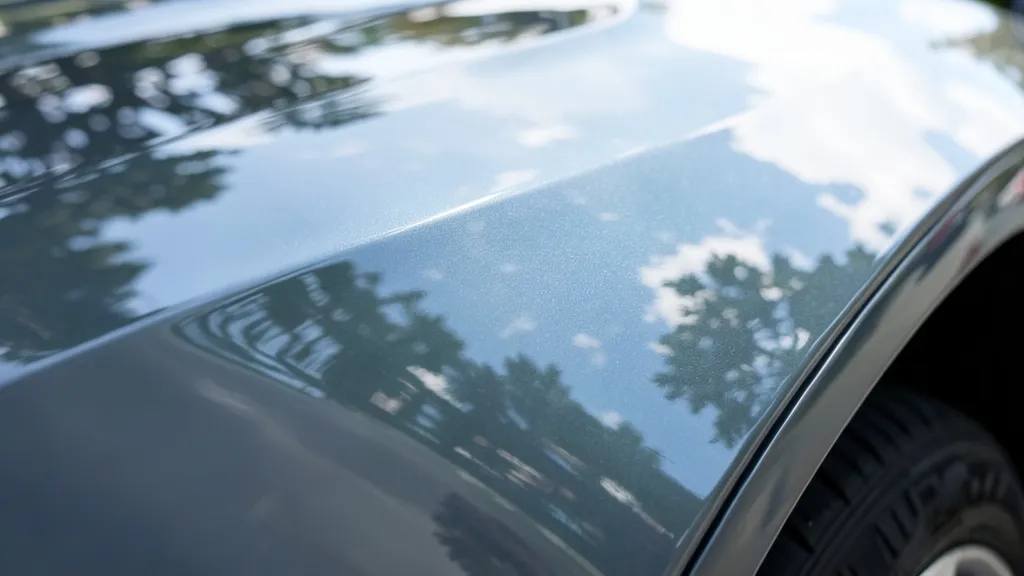
Choosing a ceramic coating is a long-term investment in your vehicle’s paint. But not all coatings last the same—some fade in months, while premium formulas endure for years. We’ll show you how to spot the difference before you commit.
Understand What Determines Ceramic Coating Longevity
The lifespan of a ceramic coating hinges on its chemical composition. High-quality coatings use dense nano-ceramic polymers (SiO2 or TiO2) that form stronger cross-linked bonds with your clear coat.
Cheaper products often rely on lower concentrations of active ingredients, leading to thinner, less durable layers that break down faster under UV exposure and environmental contaminants.
Florida’s intense sun and humidity accelerate degradation, so a coating engineered for high UV and pH resistance is non-negotiable here.
Compare Coating Types and Expected Durability
Not all ceramic coatings are created equal. Consumer-grade sprays may last 6–12 months, while professional-grade coatings can protect for 2–5 years or more with proper care.
The difference lies in the concentration of ceramic particles and the thickness of the cured layer. Thicker layers resist abrasion and chemical etching better.
| Coating Type | Durability | Best For |
|---|---|---|
| Consumer Spray-On | 6–12 months | Quick shine, minimal protection |
| Semi-Pro (DIY Kit) | 1–2 years | Enthusiasts with basic prep |
| Professional-Grade (Single Layer) | 2–3 years | Daily drivers, moderate climates |
| Professional-Grade (Multi-Layer) | 3–5+ years | High-value vehicles, harsh conditions |
| Hybrid (Ceramic + PPF) | 5–7+ years | Maximum protection, high-impact areas |
Evaluate the Prep Work: The Foundation of Longevity
A ceramic coating bonds to the surface it’s applied to. If the paint isn’t properly corrected, contaminants like oxidation, swirls, or embedded iron particles will compromise adhesion.
We always start with a thorough paint correction—compounding, polishing, and decontamination—to ensure a flawless base. Skipping this step can cut the coating’s life in half.
In areas like Tampa or Thonotosassa, where road grime and pollen are constant, this prep is even more critical.
Some shops skip paint correction to save time. This leads to premature peeling and uneven wear. Always confirm a full prep process is included.
Assess the Coating’s Resistance to Local Environmental Stressors
Temple Terrace’s climate throws everything at your paint: UV rays, humidity, bird droppings, and even salt air from nearby coastal areas. A durable coating must resist all of these.
Look for coatings with high UV stability (9H+ hardness), hydrophobic properties to shed water and contaminants, and chemical resistance to prevent etching from acidic rain or bug splatter.
Ask about pH resistance ratings—anything below pH 2 or above pH 12 can degrade lesser coatings quickly.
Check the Curing Process and Post-Application Care
A ceramic coating doesn’t reach full strength immediately. Most require 24–48 hours to cure to a touch-safe state and up to 14 days for complete bonding.
During this period, the vehicle must stay dry and avoid exposure to contaminants. Premature washing or rain can disrupt the curing, weakening the final layer.
We recommend parking indoors or under cover for the first week, especially in Florida’s unpredictable weather.
Maintenance Matters: Extending Your Coating’s Life
Even the best ceramic coating needs maintenance. Regular washing with pH-neutral shampoo prevents buildup of contaminants that can degrade the hydrophobic layer.
Avoid harsh chemicals, wax-based products, or abrasive wash mitts. These can strip the coating or introduce micro-scratches.
For vehicles in Seffner or University Area, where dust and pollen are heavy, a monthly maintenance spray can refresh the hydrophobic effect.
Ceramic Coating Maintenance Essentials
- Wash with pH-neutral car shampoo every 2 weeks
- Use a microfiber wash mitt and separate buckets for wheels/body
- Apply a ceramic-boosting spray every 3–6 months
- Avoid automatic car washes with brushes
- Park in shaded or covered areas when possible
Look for Professional Installation and Warranty Backing
DIY coatings can work for short-term protection, but professional application ensures even coverage, proper layering, and optimal bonding. Our team uses controlled environments to minimize dust and humidity interference.
A reputable installer will also offer a warranty. This isn’t just a marketing gimmick—it’s a sign they stand by the product’s longevity.
Warranties typically cover defects in materials or workmanship, but not damage from improper maintenance or accidents. Always read the fine print.
For maximum durability in harsh climates, consider a multi-layer coating or pairing ceramic with Paint Protection Film (PPF) on high-impact areas like the hood and bumper.
When to Consider Additional Protection
Ceramic coatings excel at protecting paint, but they’re not invincible. For full coverage, pair them with other services like Paint Protection Film (PPF) for rocker panels or ceramic window tint to reduce interior heat.
Wheel and brake caliper ceramic coatings are also worth considering. Brake dust and road grime are highly abrasive and can wear down standard coatings faster on these surfaces.
In Mango or Thonotosassa, where off-road debris is common, PPF on the lower body can prevent chips that a ceramic coating alone can’t stop.
How to Test a Ceramic Coating’s Quality Before Applying
Not sure if a coating lives up to its claims? Here’s how to verify its durability before committing.
- 1Check the Hydrophobic Effect
After application, spray water on the surface. A high-quality coating will bead tightly and sheet off completely. Weak beading or water clinging indicates a subpar product.
- 2Test Chemical Resistance
Place a drop of a pH-balanced cleaner and a drop of a harsh chemical (like brake fluid) on the coated surface. The cleaner should bead, while the harsh chemical should not etch or stain the coating after wiping.
- 3Inspect Gloss and Clarity
A premium ceramic coating enhances paint depth and gloss. If the finish looks dull or hazy after curing, the coating may be low-quality or improperly applied.
- 4Assess Scratch Resistance
Lightly drag a plastic card (like a credit card) across the surface. A durable coating should resist light marring. Deep scratches will still occur, but minor swirls should be less visible.
- 5Verify UV Stability
Park the vehicle in direct sunlight for a few days. A stable coating will maintain its hydrophobic properties and gloss. If it fades or loses beading quickly, it’s not UV-resistant.
Frequently Asked Questions
How long does a professional ceramic coating last in Temple Terrace’s climate?
In Florida’s harsh conditions, a professional-grade ceramic coating typically lasts 2–3 years with proper maintenance. Multi-layer coatings or hybrid systems (ceramic + PPF) can extend that to 5 years or more. Always request a quote to discuss options tailored to your vehicle and driving habits.
Can I apply a ceramic coating over existing paint correction flaws?
No. Ceramic coatings amplify the condition of the surface they’re applied to. Any swirls, scratches, or oxidation will be locked in permanently. Full paint correction is essential for a flawless, long-lasting finish.
Does ceramic coating prevent rock chips?
Ceramic coatings add a hard, protective layer but are not a substitute for Paint Protection Film (PPF). For rock chip protection, we recommend PPF on high-impact areas, especially for vehicles frequently driven in areas like Tampa or Seffner.
How often should I reapply ceramic coating?
Reapplication depends on the coating’s quality and your maintenance routine. Professional coatings may only need a maintenance spray every 6–12 months, while full reapplication is typically needed every 2–5 years. Factors like sun exposure, washing habits, and local conditions play a role.
Is ceramic coating worth it for older vehicles in Ceramic Coating Temple Terrace?
Yes, if the paint is in good condition after correction. Ceramic coatings can restore and preserve the finish of older vehicles, especially in Florida’s climate. However, if the paint is heavily oxidized or peeling, addressing those issues first is critical.
What’s the difference between ceramic coating and wax?
Wax provides a temporary shine and minor protection, lasting weeks to months. Ceramic coatings bond chemically to the paint, offering years of UV protection, hydrophobic properties, and resistance to contaminants. They also require less frequent reapplication.