Entry-Level vs. Pro Ceramic Coating for Sedans in Ceramic Coating Temple Terrace: What Drives the Cost?
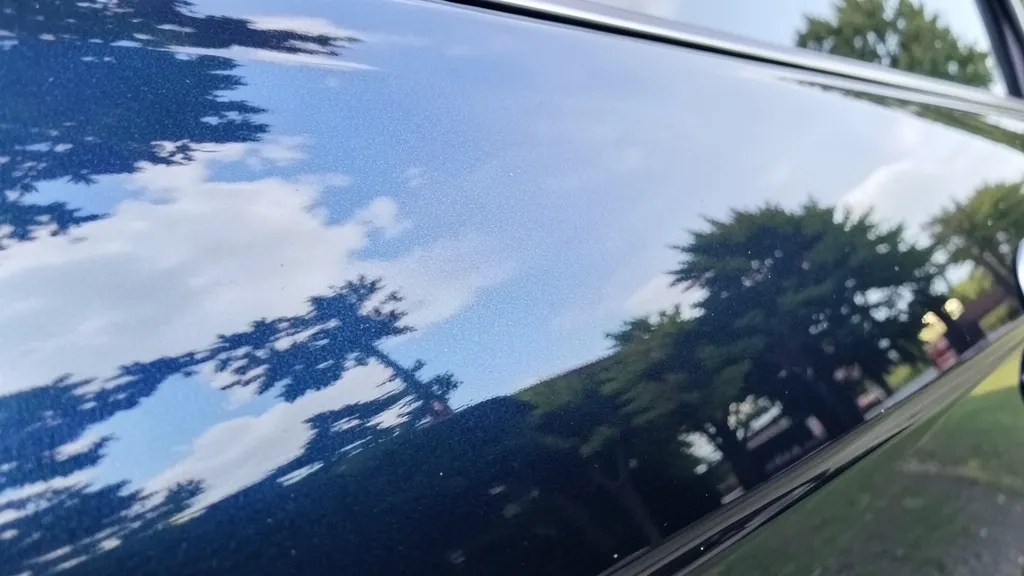
Choosing between entry-level and professional-grade ceramic coating for your sedan isn’t just about shine—it’s about longevity, protection, and how well it holds up to Florida’s harsh sun, humidity, and salt air. We break down the real factors that separate budget-friendly options from premium, multi-year shielding so you can decide what your car truly needs.
Why Ceramic Coating Costs Vary for Sedans
The price gap between entry-level and pro ceramic coatings starts with chemistry. Entry-level products often use basic SiO2 (silicon dioxide) formulas with lower concentration, offering 6–12 months of protection. Pro-grade coatings add TiO2 (titanium dioxide) or graphene for enhanced durability and UV resistance.
Application depth matters too. A single-layer entry coating may take 4–6 hours, while a pro multi-layer job can require 1–2 days, including mandatory paint correction to remove swirls, oxidation, or water spots before sealing.
Florida’s climate demands more. Salt air near Tampa Bay, intense UV exposure, and frequent rain accelerate wear. A pro coating’s stronger cross-linking bonds resist these stressors far longer than a basic spray-on product.
Entry-Level vs. Professional Ceramic Coating: Side-by-Side
Not all coatings are created equal. Below, we compare what you get at each tier—because the differences go beyond just the upfront cost.
| Feature | Entry-Level Coating | Professional Coating |
|---|---|---|
| Primary Composition | SiO2-based, lower concentration | SiO2 + TiO2 or graphene, high purity |
| Durability | 6–12 months | 2–5+ years |
| Hydrophobic Effect | Moderate beading, fades faster | Extreme beading, long-lasting |
| Hardness Rating | 2H–4H | 7H–9H+ |
| UV Protection | Basic | Superior, prevents oxidation |
| Gloss & Depth | Slight enhancement | Mirror-like finish, deep clarity |
| Prep Required | Wash & decontamination only | Full paint correction (polishing, clay bar) |
| Application Time | 4–6 hours | 1–2 days |
| Maintenance | Reapply annually | Wash-only, occasional booster spray |
| Resistance to Swirls/Scratches | Limited | High (especially with PPF combo) |
| Cost Factors | Product cost, basic labor | Product tier, prep work, layers, warranty |
The Hidden Cost Drivers in Ceramic Coating
Paint condition is the biggest wildcard. If your sedan’s clear coat is oxidized or marred with swirl marks from University Area’s busy roads, we’ll need paint correction before coating—adding time and labor.
Vehicle size and complexity play a role. A compact sedan is quicker than a full-size luxury model, but intricate body lines or chrome trim require extra care. Wheel and brake caliper coatings add more steps.
Layers equal longevity. A single coat may suffice for daily drivers in Thonotosassa, but for maximum protection against Florida’s elements, we often recommend 2–3 layers on horizontal surfaces like hoods and roofs.
Skipping paint correction before a pro coating traps imperfections under the seal. In Florida’s sun, those flaws become permanent eyesores.
How Florida’s Climate Affects Your Coating Choice
Temple Terrace’s humidity and UV index are brutal on automotive paint. Entry-level coatings may bead water initially but degrade faster under constant sun exposure, leaving your sedan vulnerable to oxidation and fading.
Salt air from Tampa Bay corrodes unprotected surfaces. Pro coatings with graphene or TiO2 create a denser barrier, repelling contaminants and resisting etching from bird droppings or bug splatter—common on I-75 commutes.
Rain isn’t just water here. Pollutants and mineral deposits in local rainfall can leave water spots. A high-quality ceramic coating’s hydrophobic properties prevent these from bonding to your paint.
When to Consider Add-Ons Like PPF or Wheel Coating
For sedans in high-risk areas like downtown Tampa or near USF, pairing ceramic coating with Paint Protection Film (PPF) on the front bumper, hood, and fenders adds a physical shield against rock chips and road debris.
Wheel and brake caliper ceramic coatings aren’t just aesthetic. They resist brake dust buildup and corrosive road salts, making cleaning easier—especially valuable for drivers in Mango or Seffner with dusty rural roads.
Interior ceramic protection is often overlooked. It repels spills, UV damage, and stains on leather or plastic surfaces, preserving your cabin’s look and value.
Bundling paint correction, ceramic coating, and PPF in one session saves time and often reduces labor costs. Ask us about full-vehicle packages.
Maintenance: Protecting Your Investment
Even pro coatings need care. Wash your sedan every 2 weeks with a pH-neutral soap to avoid stripping the hydrophobic layer. Avoid automatic car washes with harsh brushes—they can introduce swirl marks.
Annual inspections help. We check for areas where the coating may be thinning, especially on roof and hood panels exposed to the most UV. A booster spray can restore hydrophobicity without a full reapplication.
Park smart. Whenever possible, use a garage or shaded area in Temple Terrace to minimize UV and heat exposure, which accelerate coating breakdown.
Ceramic Coating Maintenance Checklist
- Wash with pH-neutral car shampoo every 2 weeks
- Use microfiber towels to dry and avoid scratches
- Avoid automatic car washes with abrasive brushes
- Apply a ceramic booster spray every 6–12 months
- Park in shaded or covered areas to reduce UV exposure
- Inspect coating condition annually for touch-ups
How Long Does Ceramic Coating Last on a Sedan?
Entry-level coatings typically last 6–12 months before requiring reapplication. They’re a good option for lease returns or short-term protection, but expect diminished hydrophobicity and gloss over time.
Pro coatings last 2–5+ years with proper care. The lifespan depends on prep quality, number of layers, and environmental exposure. Sedans in coastal areas like Temple Terrace may see slightly shorter durability due to salt air.
Warranties vary. Many pro coatings come with 2–5 year warranties, but these usually require annual inspections and proof of proper maintenance. Always ask about warranty terms before committing.
How to Choose the Right Ceramic Coating for Your Sedan
Selecting the best coating starts with assessing your needs, budget, and driving habits.
- 1Evaluate Your Paint Condition
Inspect your sedan for swirl marks, oxidation, or water spots. If the paint isn’t smooth to the touch, you’ll need paint correction before coating.
- 2Determine Your Protection Goals
Decide if you want basic shine and water beading (entry-level) or long-term defense against UV, salt air, and contaminants (pro-grade).
- 3Consider Your Environment
If you drive daily in high-exposure areas like Tampa or Thonotosassa, or park outside, a pro coating with graphene or TiO2 is worth the investment.
- 4Factor in Add-Ons
Think about bundling services like PPF for the front end, wheel coatings, or interior protection to maximize value and coverage.
- 5Review Maintenance Requirements
Ensure you’re prepared for the upkeep. Pro coatings require less frequent reapplication but need regular washing and annual check-ups.
- 6Request a quote
Cost depends on your sedan’s size, paint condition, and chosen services. Contact us for a personalized assessment and transparent pricing.
Frequently Asked Questions
How much does ceramic coating cost for a sedan in Ceramic Coating Temple Terrace?
Pricing depends on the coating tier, your sedan’s paint condition, and add-ons like PPF or wheel coating. Entry-level starts lower, while pro-grade with paint correction and multiple layers costs more. Request a quote for an exact figure tailored to your vehicle.
Can I apply ceramic coating over existing paint without correction?
We don’t recommend it. Skipping paint correction traps swirls, scratches, or oxidation under the coating, making them permanent. Proper prep ensures a flawless, long-lasting finish.
Is ceramic coating worth it for a leased sedan?
For leased vehicles, an entry-level coating can be a smart choice. It enhances gloss and protection during your term without a long-term commitment. Just confirm your lease allows aftermarket treatments.
How does ceramic coating compare to wax or sealant?
Wax and sealants last 1–6 months and require frequent reapplication. Ceramic coatings bond chemically to your paint, offering years of protection with superior hydrophobic and UV-resistant properties.
Will ceramic coating prevent rock chips?
Ceramic coatings add hardness and scratch resistance but won’t stop rock chips. For full protection against road debris, we recommend pairing it with Paint Protection Film (PPF) on high-impact areas.
How do I know if my ceramic coating is wearing off?
Signs include reduced water beading, duller appearance, or water spots that don’t sheet off easily. Annual inspections can catch thinning areas before they become problematic.