What Separates a Premium Ceramic Coating from a Basic One in Ceramic Coating Temple Terrace
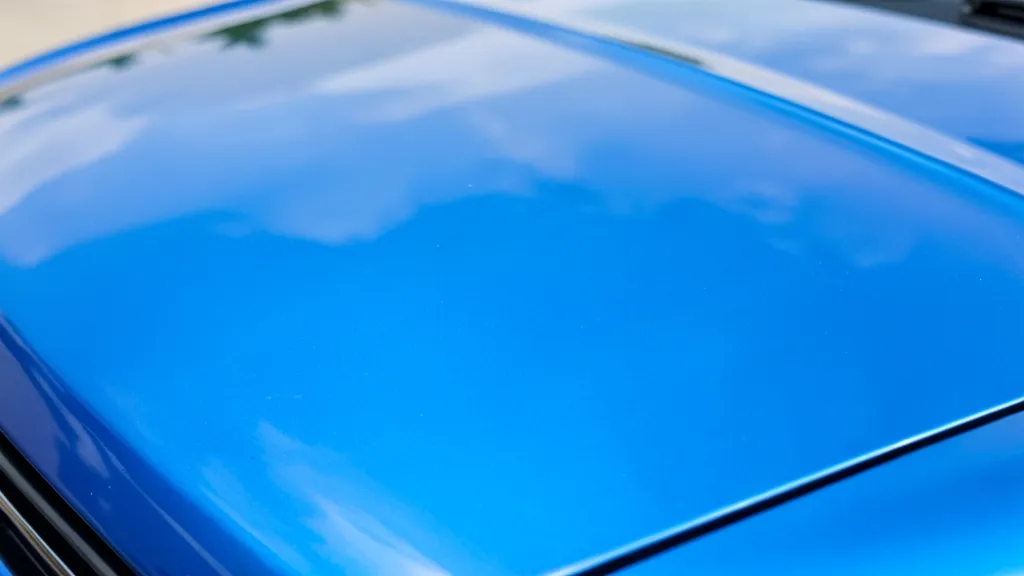
Not all ceramic coatings are created equal. In our Florida climate—where UV rays, humidity, and road grime are relentless—the gap between a premium and basic coating can mean the difference between years of showroom shine and a short-lived finish. We break down what truly separates the best from the rest.
Core Composition: The Foundation of Performance
Premium ceramic coatings leverage advanced nano-ceramic polymers with 80-90% SiO2 (silicon dioxide) content. This high concentration creates a denser, more durable bond with your vehicle’s clear coat, resisting UV oxidation and chemical etching far longer than basic formulas.
Basic coatings often contain 50-70% SiO2, diluted with fillers or solvents. They provide temporary hydrophobicity and gloss but lack the structural integrity to withstand Florida’s intense sun or frequent rain without degrading.
Durability: Longevity in Real-World Conditions
A premium coating like those we apply in Temple Terrace can last 5-7 years with proper maintenance. The cross-linking molecular structure resists breakdown from UV exposure, bird droppings, and even minor scratches—critical for daily drivers in Tampa or Thonotosassa.
Basic coatings typically fade within 1-2 years. They’re more susceptible to water spotting and chemical stains, especially after heavy rain or exposure to sprinkler minerals common in local neighborhoods like Mango or Seffner.
Hydrophobic and Self-Cleaning Properties
Premium coatings achieve a contact angle of 110° or higher, causing water to bead and roll off instantly. This self-cleaning effect reduces the need for frequent washes—ideal for busy professionals in the University Area who want to spend less time maintaining their ride.
Basic coatings may bead water initially but lose this property quickly. Without strong hydrophobic performance, dirt and grime cling to the surface, leading to more frequent detailing sessions.
Protection Against Florida’s Unique Threats
Our premium coatings include UV inhibitors that prevent paint fading—a must under Temple Terrace’s year-round sunshine. They also resist chemical stains from bug splatter, tree sap, and even hard water minerals from local car washes.
Basic coatings offer minimal UV protection. Over time, your paint can dull, and swirl marks from improper washing become more visible, especially on darker vehicles.
Basic coatings can sometimes trap contaminants under their layer, leading to paint damage when removed. Always start with thorough paint correction before applying any ceramic product.
Gloss and Aesthetic Enhancement
Premium coatings enhance depth and clarity, making your paint pop like it just rolled off the showroom floor. The nano-particles fill in microscopic imperfections, amplifying reflectivity—something car enthusiasts in Seffner or Tampa notice immediately.
Basic coatings may add a temporary shine but lack the light-refracting properties of high-end products. The gloss often fades unevenly, leaving a patchy appearance.
Paint Correction: The Critical First Step
No coating performs well on imperfect paint. We always start with professional paint correction and polishing to remove swirls, scratches, and oxidation. This step is non-negotiable for premium coatings to bond properly and deliver maximum longevity.
Skipping correction with a basic coating can lock in defects, making them harder to fix later. Many DIY kits overlook this, leading to disappointing results.
Pre-Coating Paint Prep Essentials
- Thorough wash and decontamination (clay bar treatment)
- Multi-stage polishing to remove swirls and scratches
- Paint thickness measurement to avoid over-polishing
- Final wipe-down with IPA (isopropyl alcohol) to remove oils
Comparison: Premium vs. Basic Ceramic Coatings
The table below highlights the tangible differences between premium and basic options. These factors directly impact performance, especially in Florida’s harsh climate where vehicles face constant exposure to sun, salt, and humidity.
| Feature | Premium Coating | Basic Coating |
|---|---|---|
| SiO2 Content | 80-90% | 50-70% |
| Durability | 5-7 years | 1-2 years |
| Hydrophobic Angle | 110°+ | 90-100° |
| UV Resistance | Excellent | Minimal |
| Scratch Resistance | High (9H hardness) | Low (3-5H hardness) |
| Self-Cleaning Effect | Strong | Weak |
| Chemical Resistance | Resists acids, alkalis, solvents | Limited protection |
| Gloss Enhancement | Deep, mirror-like finish | Temporary shine |
When to Consider Additional Protection
For full coverage, we often recommend pairing ceramic coatings with Paint Protection Film (PPF) on high-impact areas like the front bumper, hood, and fenders. This combo is popular among drivers in Thonotosassa and Mango who frequently encounter road debris.
Ceramic window tint and interior ceramic protection are also smart add-ons. They repel UV rays and reduce heat buildup, keeping your cabin cooler and preventing dashboard cracking over time.
If you track your car or drive on gravel roads, PPF is a must. Ceramic coatings alone won’t protect against rock chips.
How to Maintain Your Ceramic Coating for Maximum Longevity
Proper upkeep ensures your coating lasts as long as possible, even in Florida’s tough conditions.
- 1Wash Regularly, But Gently
Use a pH-neutral car shampoo and a microfiber wash mitt to avoid introducing swirls. Avoid automatic car washes with harsh brushes.
- 2Dry Thoroughly
Use a clean microfiber towel to prevent water spots, especially after rain or sprinkler exposure common in Temple Terrace.
- 3Avoid Harsh Chemicals
Never use dish soap, degreasers, or wax-based products. These can break down the coating’s hydrophobic layer.
- 4Reapply Maintenance Spray
Every 3-6 months, use a ceramic-boosting spray to refresh hydrophobicity and gloss. This is critical in high-UV areas like Tampa.
- 5Address Contaminants Immediately
Bird droppings, bug splatter, and tree sap should be removed ASAP to prevent etching. Use a dedicated detailer spray and a soft cloth.
Frequently Asked Questions
How much does a premium ceramic coating cost in Ceramic Coating Temple Terrace?
The cost depends on your vehicle’s size, paint condition, and the coating tier you choose. Full-vehicle premium coatings require extensive prep, including paint correction, which adds to the investment. For an accurate estimate, we recommend requesting a quote based on your specific needs.
Can I apply a ceramic coating myself?
While DIY kits exist, they rarely match professional results. Improper application can lead to streaks, uneven curing, or even paint damage. We’ve seen many cars from Seffner and University Area come in for corrections after DIY attempts went wrong.
Will a ceramic coating prevent all scratches?
No coating is scratch-proof, but premium options offer high scratch resistance (9H hardness). They protect against light swirls from washing but won’t stop deep scratches from keys or road debris. For that, we recommend adding Paint Protection Film.
How does Florida’s climate affect ceramic coatings?
The intense UV, humidity, and frequent rain accelerate wear on basic coatings. Premium formulations are engineered to withstand these conditions, but regular maintenance is still key to longevity.
Is paint correction necessary before applying a ceramic coating?
Absolutely. Coatings amplify your paint’s current condition. If swirls, scratches, or oxidation are present, the coating will lock them in. Professional paint correction ensures a flawless finish.
Can ceramic coatings be applied to other surfaces besides paint?
Yes! We offer ceramic coatings for wheels, brake calipers, headlights, and even interiors. Each surface requires a specialized product for optimal adhesion and protection.