How to Prevent Swirl Marks After Ceramic Coating in Temple Terrace in Ceramic Coating Temple Terrace, FL
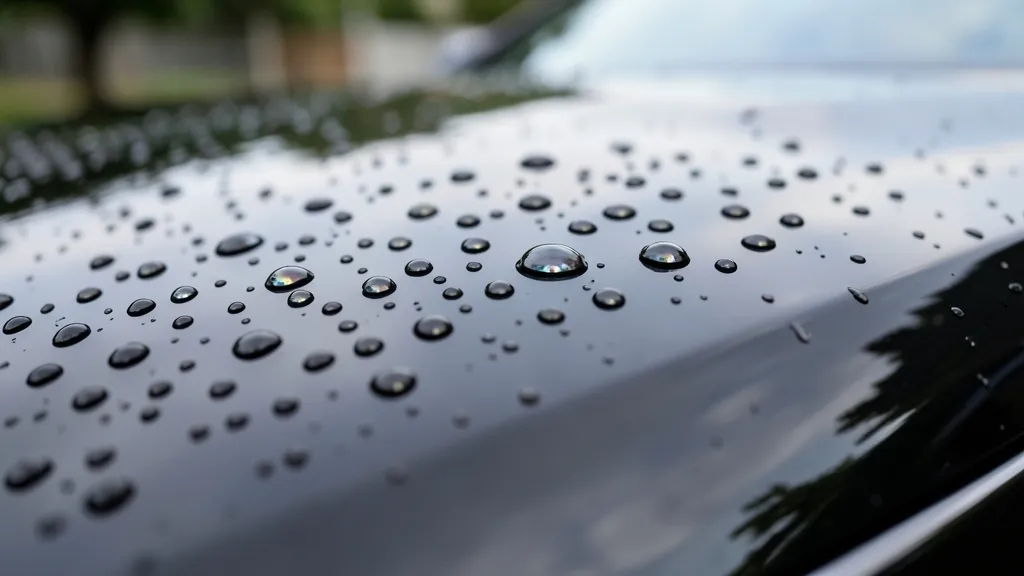
Swirl marks can ruin the mirror-like finish of a fresh ceramic coating, even in Temple Terrace’s harsh sun and humidity. Our team sees it often: improper washing or drying introduces micro-scratches that dull the gloss. The good news? With the right techniques, you can keep your coating—and your paint—pristine for years.
Why Swirl Marks Appear on Ceramic-Coated Cars
Ceramic coatings add a sacrificial layer, but they’re not invincible. Swirl marks form when abrasive particles drag across the clear coat during washing, drying, or even automatic car washes. The hydrophobic surface can actually make these defects more visible.
Florida’s fine sand, pollen, and road grime stick to paint and towels alike. Even a single careless wipe with a dirty microfiber can etch swirls into the coating. Prevention starts before you touch the vehicle.
The Role of Paint Correction Before Coating
Applying ceramic coating over existing swirls locks them in permanently. That’s why we always start with paint correction—compounding and polishing to remove defects before the coating goes on.
In Temple Terrace, many vehicles arrive with sun-faded clear coat and embedded contaminants. A proper correction ensures the coating bonds to a smooth, flawless surface, maximizing gloss and longevity.
If your car has heavy swirls, consider a two-stage correction. This extra step ensures no defects remain beneath the ceramic layer.
Washing Your Ceramic-Coated Car the Right Way
The two-bucket method is non-negotiable. One bucket holds your soapy water, the other is for rinsing your mitt. This prevents reapplying dirt to the paint, a leading cause of swirls in Tampa’s dusty conditions.
Use a high-quality wash mitt (chenille or microfiber) and pH-neutral car soap. Avoid dish soap or household cleaners—they strip the coating’s hydrophobic properties and leave residue that attracts grime.
Essential Wash Day Tools
- Two 5-gallon buckets with grit guards
- pH-neutral ceramic-safe car shampoo
- Separate wash mitts for wheels and paint
- Microfiber drying towels (plush, 1600+ GSM)
- Foam cannon for pre-rinse (optional but recommended)
Drying Without Creating Swirls
Never let your car air-dry in the Florida sun. Water spots can etch into the clear coat, and wind-blown debris will stick to wet paint. Instead, use a clean microfiber towel and the blot-drying method: pat, don’t drag.
For extra protection, follow up with a quick detailer spray. This adds lubrication and boosts the coating’s hydrophobic effect, making future washes easier and safer.
Chamois or old bath towels are swirl machines. Their coarse fibers trap grit and scratch the surface, even on a ceramic-coated car.
Decontamination: The Hidden Swirl Culprit
Embedded iron particles and tar can’t be removed by washing alone. These contaminants grind into the paint every time you touch the surface, causing swirls over time.
We recommend a clay bar or iron remover spray every 3–6 months for Temple Terrace vehicles. This step is critical before applying a ceramic coating and for maintaining it long-term.
| Contaminant | Removal Method | Frequency |
|---|---|---|
| Iron particles (rail dust) | Iron remover spray + clay bar | Every 3–6 months |
| Tar and sap | Tar remover or isopropyl alcohol (70%+) | As needed |
| Water spots (mineral deposits) | Vinegar solution or water spot remover | After hard water exposure |
| Pollen (common in FL springs) | Pre-wash foam cannon + clay bar | Seasonally |
Automatic Car Washes: Friend or Foe?
Touchless car washes are the *only* safe option for ceramic-coated vehicles. Brush washes—even the soft ones—use recycled, grit-filled water and abrasive materials that will swirl your paint.
If you’re in Thonotosassa or Seffner and must use an automatic wash, choose one with high-pressure jets and no brushes. Better yet, stick to hand-washing at home for full control.
Maintenance Routine for Long-Term Swirl Prevention
Ceramic coatings in Temple Terrace face extreme UV, humidity, and road debris. A consistent maintenance routine is key: wash every 1–2 weeks, decontaminate quarterly, and reapply a ceramic boost spray every 6 months.
Don’t forget the wheels and glass. Brake dust and road grime build up fast and can transfer to the paint during washing. We offer wheel and brake caliper ceramic coating to simplify upkeep.
When to Call a Professional
If swirls appear despite your best efforts, they may be in the clear coat beneath the ceramic layer. In this case, a professional paint correction is needed before the coating can be reapplied.
Our team serves Temple Terrace, Tampa, University Area, and beyond with full-vehicle ceramic coating, paint correction, and PPF installation. For fleet or commercial vehicles, we also offer tailored protection packages.
How to Safely Wash a Ceramic-Coated Car
Follow these steps to clean your vehicle without introducing swirl marks.
- 1Pre-Rinse Thoroughly
Use a pressure washer or foam cannon to remove loose dirt. This step lifts grime before you touch the paint.
- 2Wash with the Two-Bucket Method
Dip your mitt in the soap bucket, wash a panel, then rinse the mitt in the second bucket before reloading with soap.
- 3Work Top to Bottom
Start with the roof and move downward. This prevents dirt from upper panels contaminating cleaner areas.
- 4Rinse and Decontaminate
Rinse all soap off, then use an iron remover or clay bar if needed. This ensures no embedded particles remain.
- 5Dry with a Clean Microfiber Towel
Blot—don’t drag—the towel across the surface. Use a second towel for wheels to avoid cross-contamination.
- 6Apply a Quick Detailer (Optional)
Mist a ceramic-safe detailer spray and buff with a fresh microfiber towel to enhance gloss and protection.
Frequently Asked Questions
Can swirl marks be removed from a ceramic-coated car in Temple Terrace?
Yes, but it requires paint correction. If the swirls are in the clear coat, we’ll need to polish the area and may recommend reapplying the coating for full protection. Light swirls on the coating’s surface can sometimes be minimized with a fine polishing compound.
How often should I wash my ceramic-coated car to prevent swirls?
In Florida’s climate, washing every 1–2 weeks is ideal. This prevents dirt buildup, which becomes harder to remove safely the longer it sits. Always use the two-bucket method to avoid reintroducing contaminants.
Is it safe to use a clay bar on a ceramic coating?
Yes, but use a fine-grade clay bar and plenty of lubricant (detailer spray or clay lube). Avoid aggressive pressure, as the coating is harder than clear coat but can still be marred by improper technique.
What’s the difference between ceramic coating and paint protection film (PPF) for swirl prevention?
Ceramic coatings add a hard, hydrophobic layer that resists minor scratches and UV damage but won’t stop swirls from improper washing. PPF is a physical barrier that absorbs impacts and prevents swirls from forming. Many owners in Tampa and Temple Terrace combine both for ultimate protection.
Do ceramic coatings make my car easier to wash?
Absolutely. The hydrophobic properties cause water and dirt to bead up and slide off, reducing the need for scrubbing. However, you still need proper techniques—ceramic coatings don’t make your car invincible to swirls.
Can I use a leaf blower to dry my ceramic-coated car?
Yes, a leaf blower on a cool setting can help remove water from crevices, but it shouldn’t replace microfiber towels. Use it to blow out door jambs and mirrors, then finish with a plush towel to avoid water spots.